
Batteries
A Battery Passport tool for the EU Batteries Regulation
The Battery Passport is adopted law with a date on it. Bring the bills of material, datasheets and test reports you already hold, and see which of the 32 mandatory fields your evidence already answers.
What you already hold
Bills of material, cell datasheets, test reports and the conformity file.
Model facts and item facts separated
Some of a battery passport belongs to the model. Some belongs to the individual battery and changes over its life.
Evidence matched, conflicts kept
Declarations and test reports against the battery. Two sources that disagree are both held.
Resolved, derived or unresolved
Each value carries the basis for it, or stays visibly missing.
Passport, carrier and access class
One governed record, and who may read which part of it.
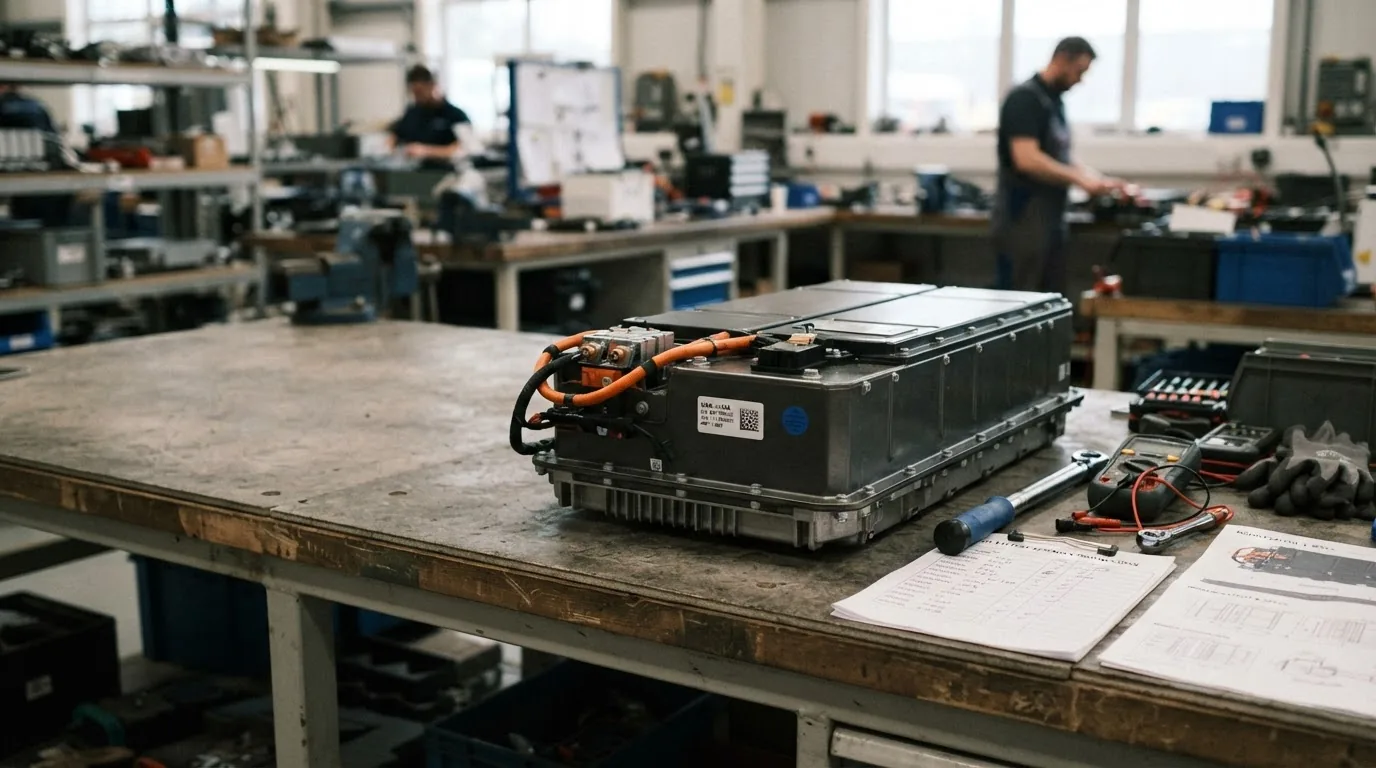
The EU Battery Passport is adopted law under Regulation (EU) 2023/1542 and applies from 18 February 2027 to light means of transport batteries, industrial batteries with a capacity above 2 kWh and electric-vehicle batteries. ActivateDigital builds the record from the data and documents you already hold. Each value keeps the document and the date it came from, two sources that disagree are both kept, a value is derived only where a governed method allows it, and anything that cannot be established stays unresolved rather than filled in.
- Last verified
A date you can build against
The obligation starts on 18 February 2027, and the legal start date has not moved while the implementation detail arrives. That is rare enough in this area to be worth planning around.
What the Batteries Regulation fixes, and what it does not
Regulation (EU) 2023/1542 is adopted. From 18 February 2027 each light means of transport battery, each industrial battery with a capacity greater than 2 kWh and each electric-vehicle battery placed on the EU market or put into service must have an electronic battery passport. Portable cells are not in that list.
What is still arriving is implementation detail. Dates, delegated acts and current status belong to Knowledge and are kept current there rather than repeated here.
Battery Digital Product Passport requirements, status and scopeThe 32 fields ActivateDigital builds against
A battery is the one category where the field set is already settled in law rather than proposed. These 32 are the fields the Batteries Regulation makes mandatory, and they are what the Workspace builds and reviews against.
Every one of them is discoverable from something. That is why a blank in a battery record is treated as a defect to close rather than as a fact about the future, which is the opposite of how a category with no adopted act is handled.
71 is a map, not a checklist
The Commission's August 2026 guidance breaks the legal requirements into 71 numbered implementation rows. The guidance says itself that it does not extend the rights or obligations created by legislation. Some rows are mandatory, some are optional where the information is available, some apply only in particular circumstances, and some are not to be filled or displayed as of February 2027.
So 71 empty boxes is the wrong data model. The work is to map each row to its legal source, its battery category, its applicability rule, its access class, its lifecycle level and its owner.
What the 71 battery passport data points are, and which are requiredWhat ActivateDigital tries before it asks you
Your evidence is in documents rather than in a storefront, so the first pass reads the documents.
Your files
Bills of material, cell datasheets, test reports, the conformity file.
Observations
Each value keeps the document and the moment it came from.
Model or item
Some facts belong to the model, some to the individual battery.
Resolution
Established, derived by a governed method, conflicted, or unresolved.
Governed record
A passport, its carrier, and the access class on every field.
Model facts and individual-battery facts are not the same job
Article 77 says the passport carries information about the battery model and information specific to the individual battery, including data produced by its use. A flat field list hides that. One set is relatively stable, the other changes over the battery's life, and they are read, updated and governed differently.
When lifecycle data needs item-level identity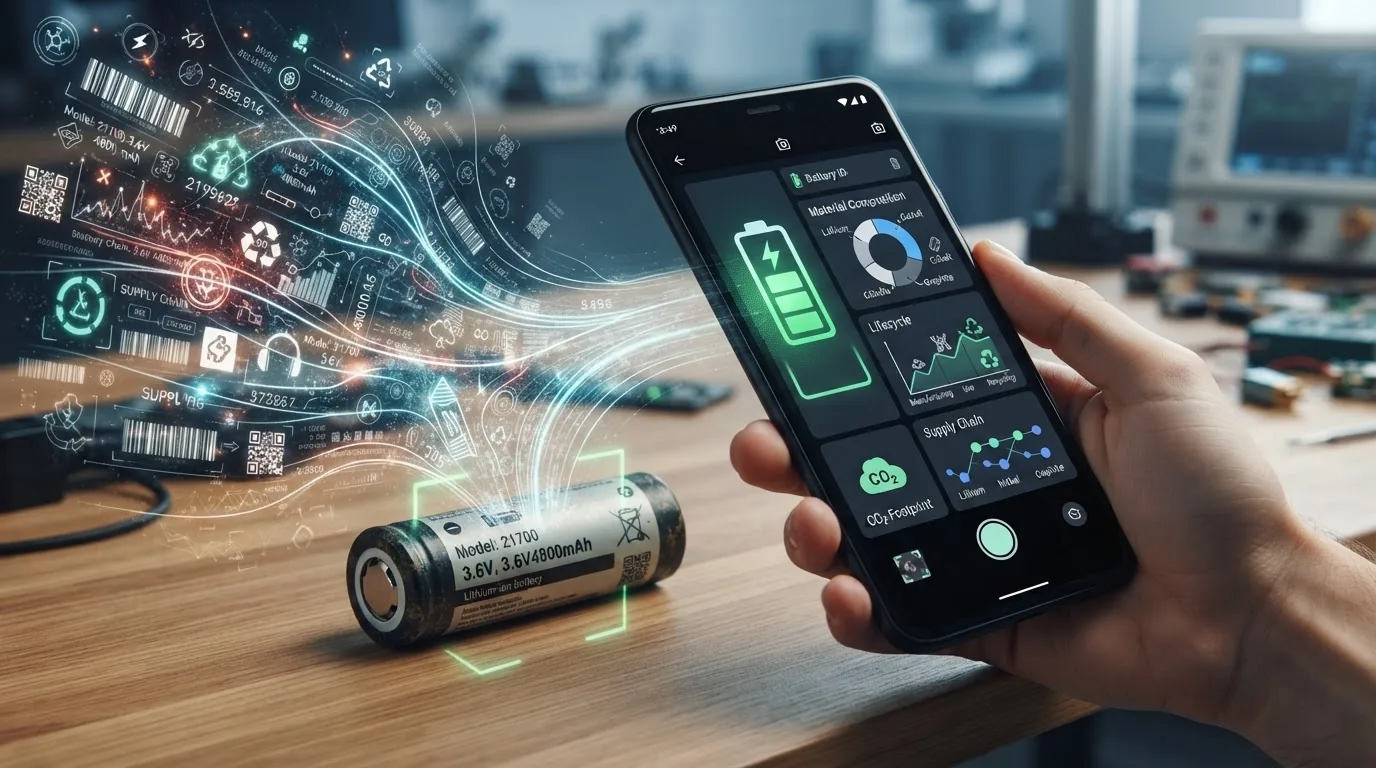
Composition, lifecycle and supply chain behind one cell. Which of those a given battery has to carry depends on its category and on the access class of the row, not on a single list of every field anyone has proposed.
Not all of it is public
The regulation splits the passport across the four points of Annex XIII. Point 1 is publicly accessible. Point 2 is restricted model information for specified regulatory actors and for people with a legitimate interest. Point 3 is compliance test report results for notified bodies, market-surveillance authorities and the Commission. Point 4 is individual-battery performance, state of health, status and use information.
So access class is a property of the field rather than a setting on the passport, and the record carries it that way from the start.
Which battery passport data is public, restricted or limitedA second life gets its own passport
Article 77(7) requires a new passport, linked to the original, once a battery has been prepared for re-use, prepared for repurposing, repurposed or remanufactured. Responsibility for keeping it accurate transfers to the operator placing that battery on the market. Simple re-use is not in that trigger list, which is why the record keeps the operation and the placing-on-the-market facts rather than one status word.
What happens to a battery passport after reuse or remanufacturingHow you start today
Batteries is one of the two categories open in the Workspace. Bring one battery, in whatever form you hold it, and see what your evidence already answers.
- A spreadsheet, a bill of materials, a cell datasheet, a test report or the conformity file. The first pass reads what you have rather than asking you to describe it.
- What comes back says which of the 32 fields your evidence already answers, which are derived and by what method, and which are still unresolved.
A question this page does not answer?
Ask it directly. A real person reads these, and the reply will tell you what we can establish for your products and what we cannot.
Where the underlying work is written down
Start with one battery
One battery, the documents you already hold, and a straight answer about which of the 32 fields are still unresolved.
Open the Workspace